
about me…
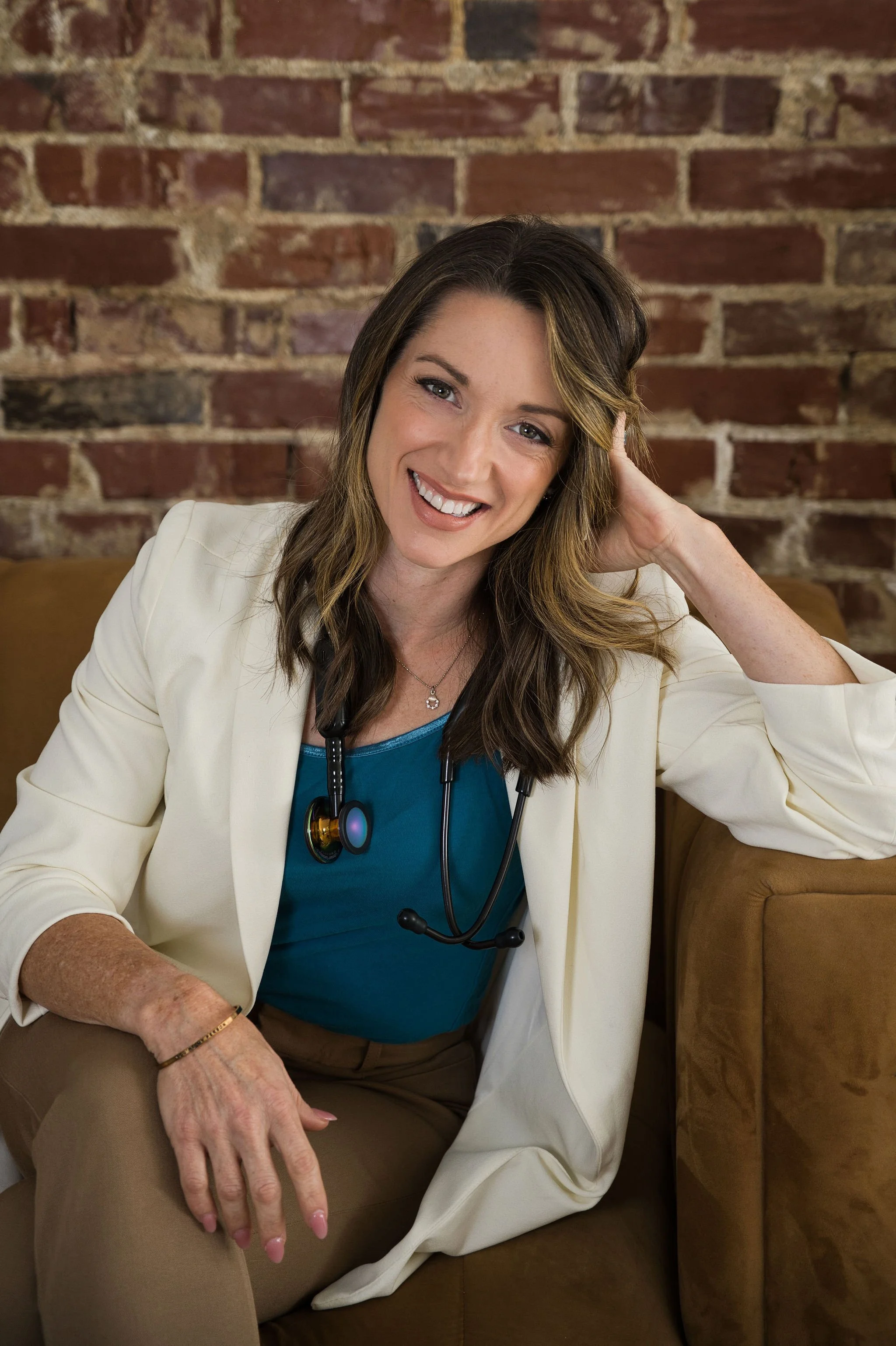
I’m a board-certified pediatrician + registered dietitian nutritionist who helps families make sense of kids’ eating—so feeding their children feels supportive instead of stressful.
Most parents don’t have a shortage of information.
They have a shortage of context, clarity, and confidence.
Parents are busy, tired, and pulled in a dozen directions by conflicting advice, social media trends, and fear-based nutrition messaging. My work focuses on helping families identify the real barriers holding them back—unrealistic expectations, guilt, time pressure, or stage mismatch—and replacing them with developmentally appropriate, evidence-based nutrition guidance they can actually use.
Not more rules.
Just understanding what matters for the stage you’re in.
my mission
evidence-based kids’ nutrition—without guilt or food drama
my mission is to help families build healthy, realistic feeding patterns that support growth, development, and long-term well-being. I believe pediatric nutrition works best when parents understand:
what’s within their control—and what’s not
how nutrition needs change across childhood
why perfection isn’t required for healthy growth
when families have that framework, feeding stops feeling like a test—and starts feeling manageable.
my story
I’m a 7th-generation Texan with farmer roots and hippie parents—which turns out to be excellent preparation for a career in nutrition.
I grew up in Austin in the 80s and 90s, spending Saturday mornings wandering the original Whole Foods, intentionally seeking out vegetarian restaurants, harvesting grapes from my aunt’s vineyard, and turning compost in our backyard garden.
I also ate Doritos, drank soda sometimes and ice cream lots of times…and vending machine snacks at the city pool for months on repeat.
Food in my childhood wasn’t about perfection—it was about curiosity. That curiosity sparked early conversations about the intersection of nutrition and medicine, and I’ve now spent more than 30 years asking questions about food, health, and growth.
career+pivots
I became a registered dietitian nearly 20 years ago, working in hospitals and counseling settings while in graduate school. While I loved working one-on-one with folks, I realized that meal plans alone weren’t enough.
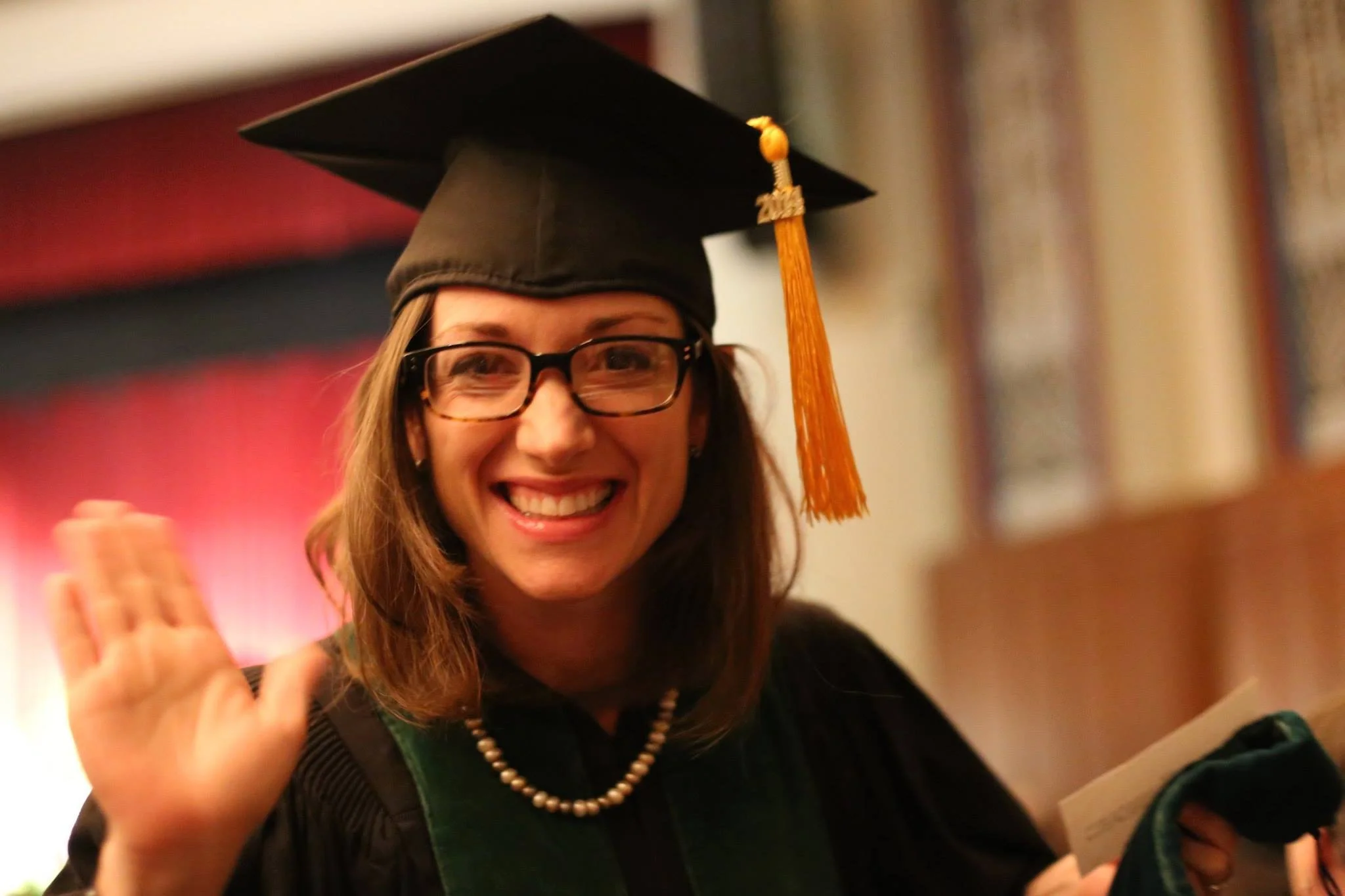
I wanted to support children’s health more completely—understanding growth patterns, development, prevention, and the medical context behind nutrition decisions. I saw how incomplete our traditional medical perspective was, and that desire led me to medical school and a career in pediatrics.
Motherhood changed everything
I became a mother three times during my medical training (twice in med school, once in residency -10/10 do not recommend.)
Having children during medical training dramatically reshaped how I viewed pediatric health, nutrition education, and families. My own kids challenged everything I thought I knew about feeding children, balancing life and health, and of course, what they would actually eat.
I’ve spent hours planning meals, prepping food, and making mealtimes engaging—only to watch my kids prefer diaper bag snacks and my water bottle. I’ve questioned myself. I’ve felt the pressure. And I’ve stayed the course.
Now, on the other side of the most stressful feeding stages, I’m seeing what consistency, simplicity, and steady confidence actually do over time.
And it’s beautiful.
today
I’m a full-time pediatrician who sees families from day one to graduation, and supports them through every developmental stage. That long-view perspective shapes everything I do, and it is MY FAVORITE.
Through New Story Nutrition, my podcast Nutrition for the Early Years, online education, media work, and brand collaborations, I help families access trustworthy pediatric nutrition guidance outside the limitations of the exam room.
If parents are going to be consuming nutrition content at 2 a.m., I want that voice to be grounded in real science—not fear-based messaging or influencer pressure.
Often, the most helpful support isn’t more complicated advice.
It’s:
The rationale behind what you’re doing
Reminders of what’s already going well
A clear north star for the stage you’re in
That’s the work I love.